


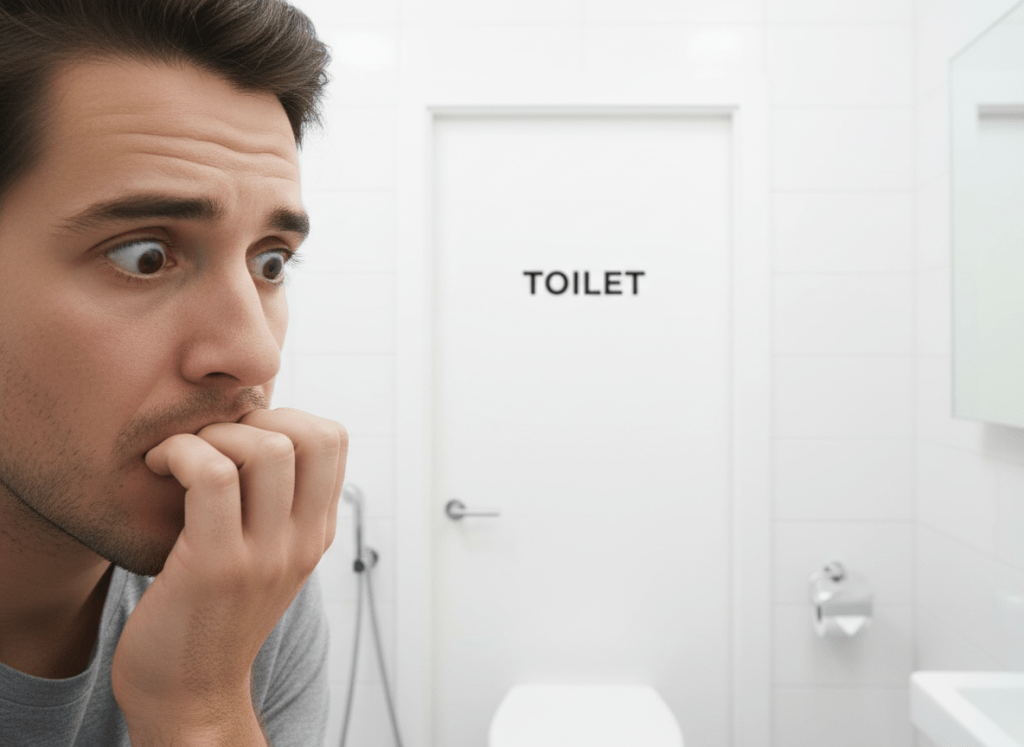
Fissure in Ano
Fissure in ano is a small tear in the lining of the anal canal, most commonly caused by passing hard stools or chronic constipation. It presents with sharp pain during and after bowel movements, often associated with slight bleeding and a burning sensation. Many patients develop fear of defecation, worsening the condition. Initial treatment includes dietary modification, increased fiber intake, stool softeners, sitz baths, and topical medications. Chronic fissures may require procedures like lateral internal sphincterotomy or laser treatment. Early intervention provides significant relief, and with modern techniques, recovery is quick, safe, and highly effective
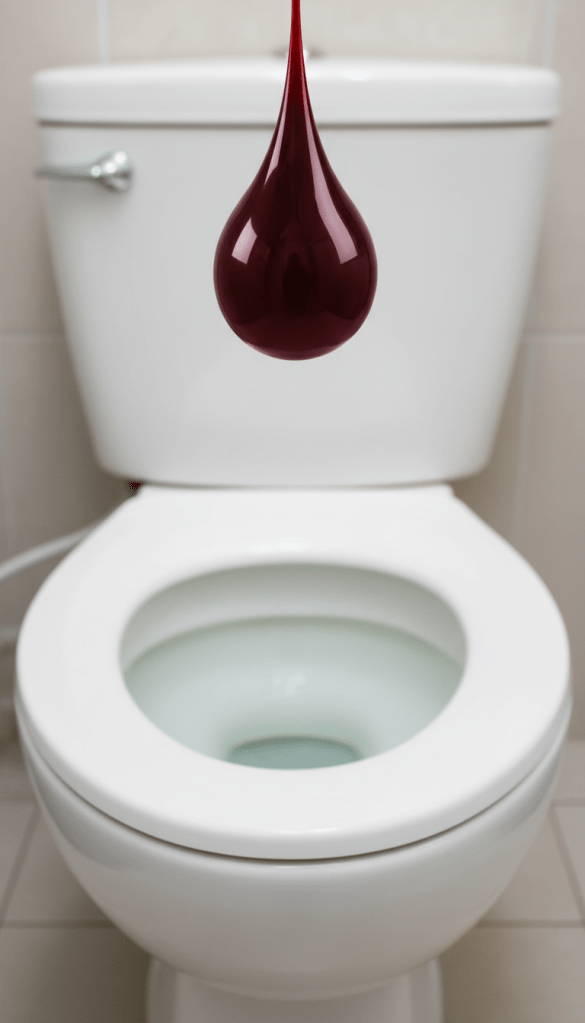
Piles (Hemorrhoids)
Piles are swollen and inflamed veins in the rectum and anus, commonly caused by chronic constipation, straining during bowel movements, prolonged sitting, or pregnancy. Patients may experience bleeding during defecation, pain, swelling, itching, or a prolapsing mass. Early stages can often be managed with dietary changes, increased fiber intake, medications, and lifestyle modification. Advanced or persistent cases may require procedures such as rubber band ligation, laser treatment, or surgery. Timely treatment helps prevent complications like severe pain or anemia. With modern minimally invasive techniques, treatment is safe, effective, and ensures faster recovery with minimal discomfort.
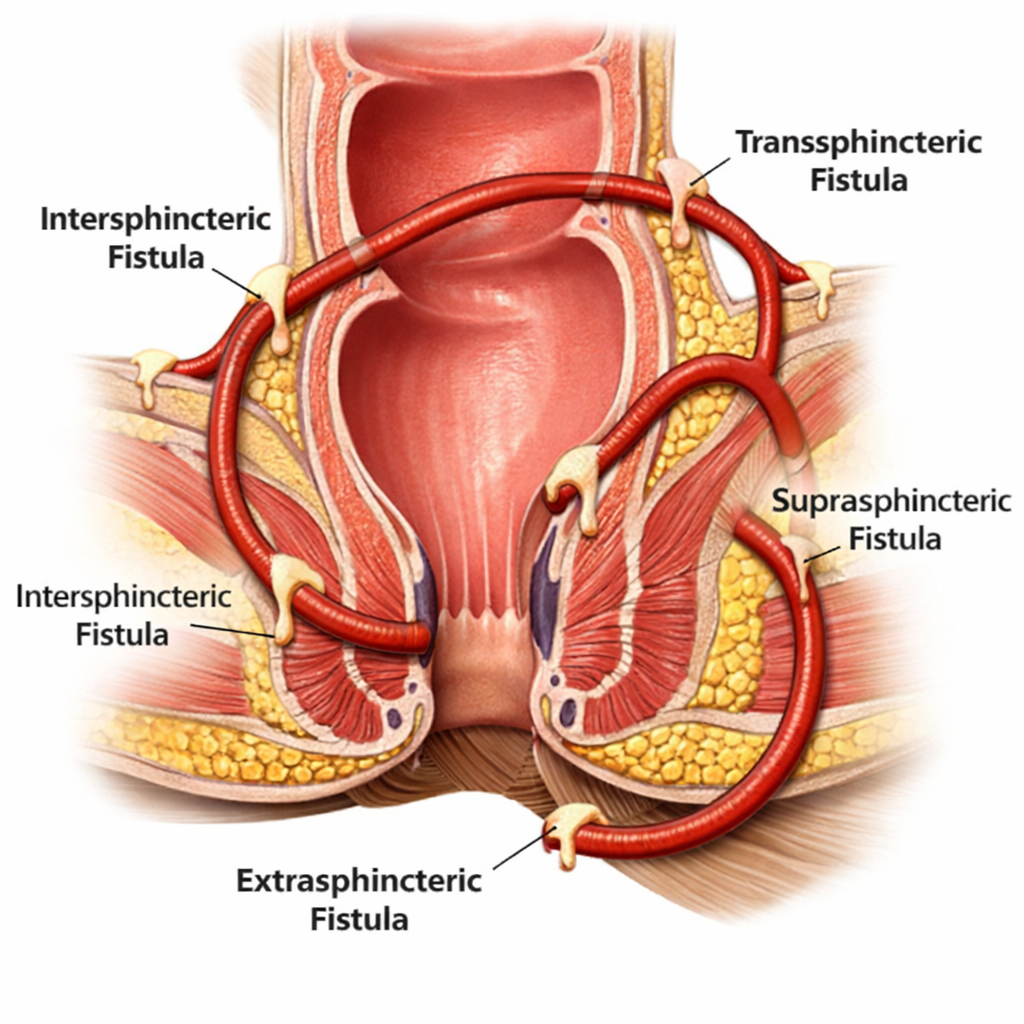
Fistula in Ano
Fistula in ano is an abnormal tract between the anal canal and the skin, usually developing after a poorly healed anal abscess. Patients commonly present with persistent discharge, pain, swelling, and irritation around the anus. Diagnosis is primarily clinical, though MRI may be required in complex cases. Surgery is the definitive treatment, aimed at removing the tract while preserving continence. Options include fistulotomy, laser treatment, seton placement, and advanced procedures for complex fistulas. Early treatment is important to prevent recurrence and complications. With modern minimally invasive techniques, recovery is faster and patient comfort is significantly improved.

